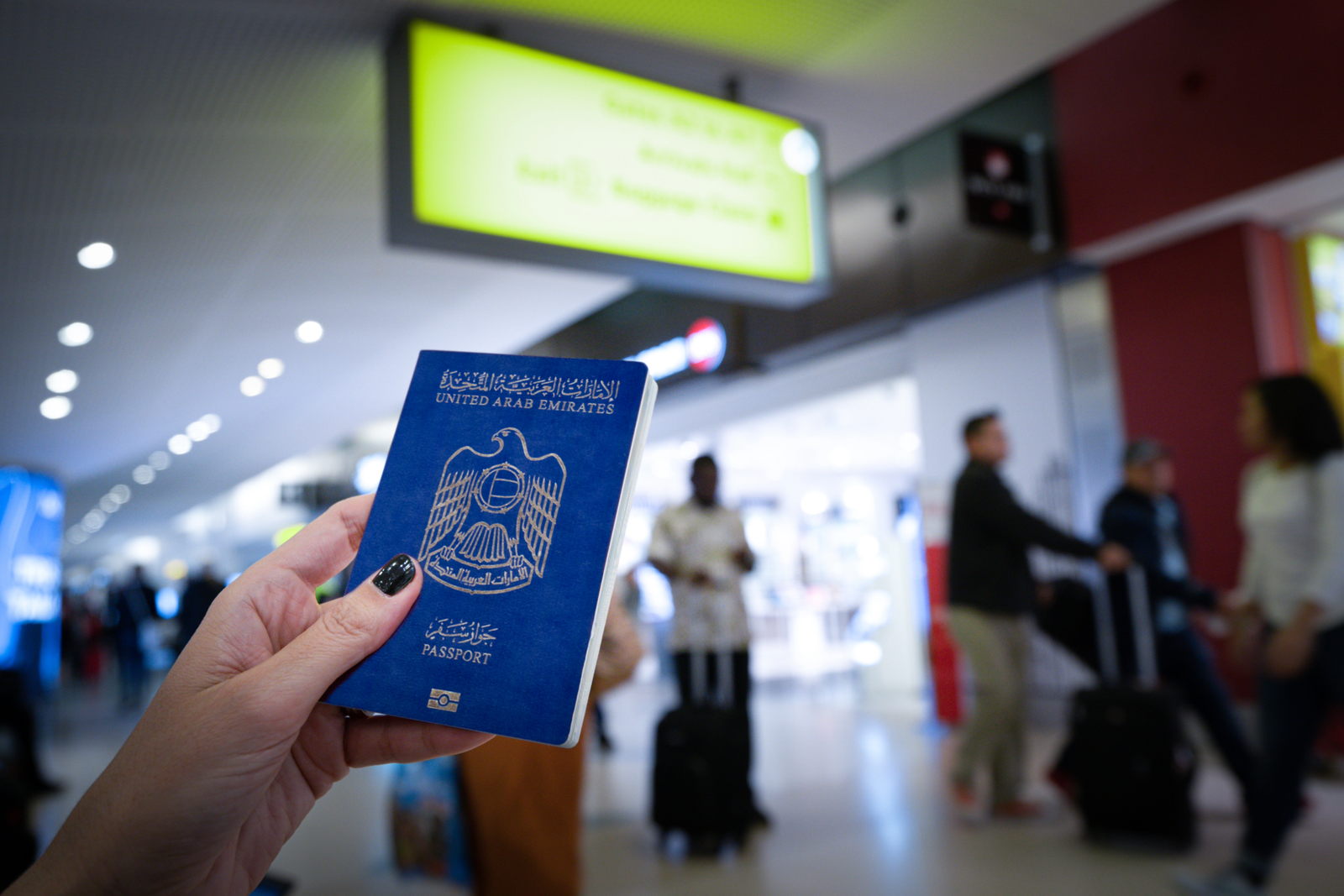
Dubai has become one of the world’s most attractive destinations for foreign entrepreneurs and businesses. With zero personal income tax, a strategic location between East and West, world-class infrastructure, and a pro-business regulatory environment, it is easy to see why thousands of international investors choose Dubai every year to establish their companies.
This guide walks you through everything you need to know about setting up a company in Dubai as a foreign investor — from choosing the right structure to getting your licence and opening a bank account.
Why Set Up a Business in Dubai?
Before diving into the process, it helps to understand what makes Dubai uniquely compelling for foreign business owners:
- 100% foreign ownership across most business activities (Mainland and Free Zone)
- 0% corporate tax on qualifying income below AED 375,000, and a competitive 9% rate above
- No personal income tax on salaries or profits
- World-class banking infrastructure with access to major international and regional banks
- Residency visa eligibility tied to business ownership
- Strategic gateway to GCC, MENA, South Asia, and African markets
Step 1: Choose the Right Business Structure
The first and most important decision is which jurisdiction to incorporate in. Dubai offers three main options:
Mainland
A Mainland company is licensed by the Department of Economic Development (DED) and allows you to trade anywhere in the UAE and internationally without restriction. Since 2021, foreign investors can own 100% of most Mainland companies without needing a local sponsor.
Best for: Businesses targeting the UAE domestic market, government contracts, or those needing physical retail presence.
Free Zone
Dubai has over 30 Free Zones, each designed for specific industries — DMCC for commodities, Dubai Internet City for tech, DIFC for financial services, and so on. Free Zones offer 100% foreign ownership, tax exemptions, and streamlined setup processes.
Best for: Import/export, consulting, e-commerce, financial services, and businesses that primarily operate internationally.
Offshore
An Offshore company (such as Jebel Ali Free Zone or RAK ICC) is primarily a holding structure. It cannot conduct business within the UAE but is used for asset protection, international trade, and holding investments.
Best for: Holding companies, international trading structures, and wealth management.
Step 2: Select Your Business Activity
Your business licence type depends on what activities your company will conduct. The main licence categories in Dubai are:
- Commercial Licence — trading and general business activities
- Professional Licence — consulting, services, and professional practices
- Industrial Licence — manufacturing and production
- Tourism Licence — hospitality and travel businesses
The exact activity listed on your licence determines what you are legally permitted to do. It is critical to get this right from the outset.
Step 3: Select a Company Name
Your company name must comply with UAE naming regulations:
- Must not contain offensive or blasphemous language
- Cannot reference a religion or ruling authority
- If named after a person, it must be the full name of a shareholder (no abbreviations)
- Must be unique — check availability through the DED or your chosen Free Zone authority
Step 4: Prepare Your Documents
Standard documents required for company formation in Dubai include:
- Passport copies of all shareholders and directors
- Proof of residential address (utility bill or bank statement)
- Business plan (required by some Free Zones and for banking)
- No Objection Certificate (NOC) if currently employed in the UAE
Additional documents may be required depending on your business activity and structure.
Step 5: Register and Obtain Your Licence
Once your documents are in order, the registration process involves:
- Submitting your application to the DED (Mainland) or chosen Free Zone authority
- Getting initial approval and reserving your company name
- Signing Memorandum of Association (MOA) and relevant agreements
- Securing a registered office address or flexi-desk
- Paying licence fees and receiving your trade licence
Timelines vary from 3–5 business days for Free Zones to 2–3 weeks for Mainland companies.
Step 6: Open a Corporate Bank Account
Opening a corporate bank account in the UAE requires careful preparation. Banks conduct thorough KYC (Know Your Customer) due diligence and require well-structured documentation. Key documents typically include:
- Trade licence and incorporation documents
- Shareholder and director KYC documents
- Business plan and projected financials
- Proof of business activity (contracts, invoices, website)
Choosing the right bank for your business type and transaction profile is as important as the documents themselves.
Step 7: Apply for Residency Visas
As a business owner in the UAE, you are eligible to apply for a residency visa — typically a 2–3 year visa renewable for Mainland and Free Zone companies. You can also sponsor visas for employees and dependents.
For investors meeting certain criteria, the UAE Golden Visa offers a 10-year renewable residency with no sponsor requirement.
How Long Does It Take?
- Free Zone company: 3–7 business days
- Mainland company: 7–15 business days
- Bank account opening: 2–6 weeks (varies by bank)
- Residency visa: 2–4 weeks
Common Mistakes to Avoid
- Choosing the wrong jurisdiction for your business model
- Selecting an activity that does not match your actual business
- Using a virtual office address when your bank requires a physical one
- Approaching banks without proper documentation
- Underestimating annual renewal costs and compliance requirements
Work with a Specialist
Setting up a company in Dubai is straightforward when you have the right guidance. At Global Company Setup, we handle every step — from jurisdiction selection and licence registration to bank account opening and visa processing — so you can focus on building your business from day one.
Get in touch with our advisory team for a free consultation and a clear roadmap tailored to your business.